

Migrating OmniOS datastores
32 Views
 18.09.2025
  Cloud / Hosted Private Cloud
Objective
This guide explains how to identify OmniOS datastores in your Hosted Private Cloud and migrate the virtual machines they contain to supported datastores using VMware Storage vMotion.
Requirements
- Access to the OVHcloud Control Panel
- Administrator access to your vSphere environment (via vScope)
- Basic knowledge of VMware vSphere and Storage vMotion
- Available supported datastores as migration targets
OVHcloud will provide the necessary freespare storage space as part of the migration process led by our teams.
Instructions
Step 1 - Identify OmniOS datastores
-
Log in to the OVHcloud Control Panel.
-
Click on
Hosted Private Cloudand select your PCC service.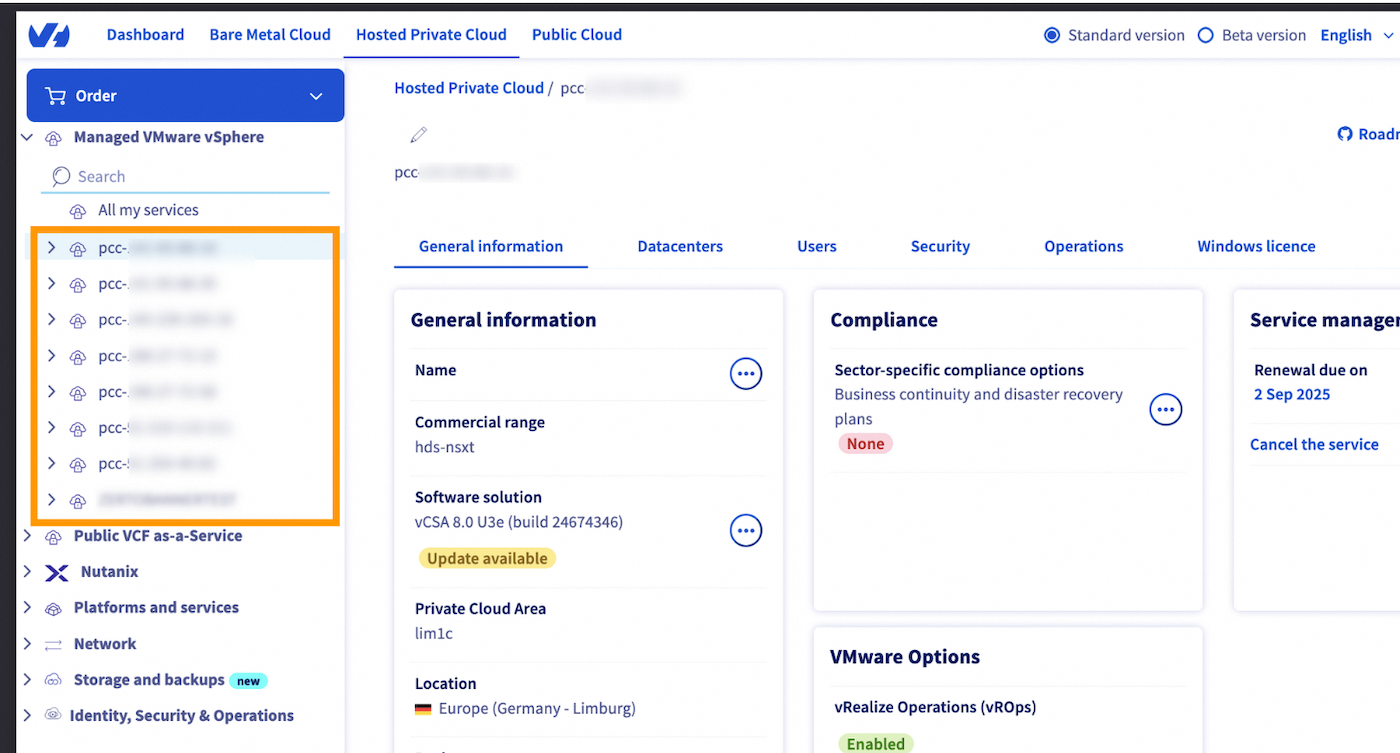
-
Go to the
Datacenterstab.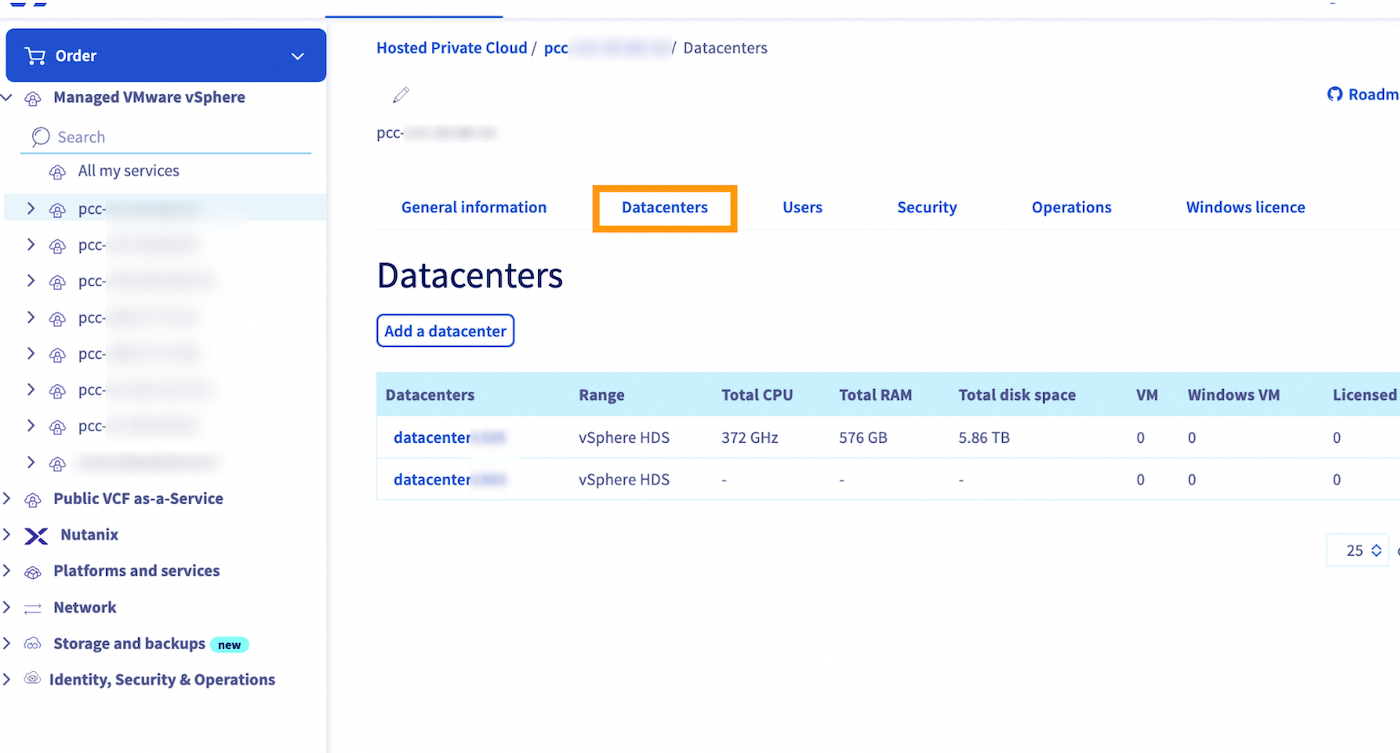
-
On the datacenter page, open the
Datastorestab.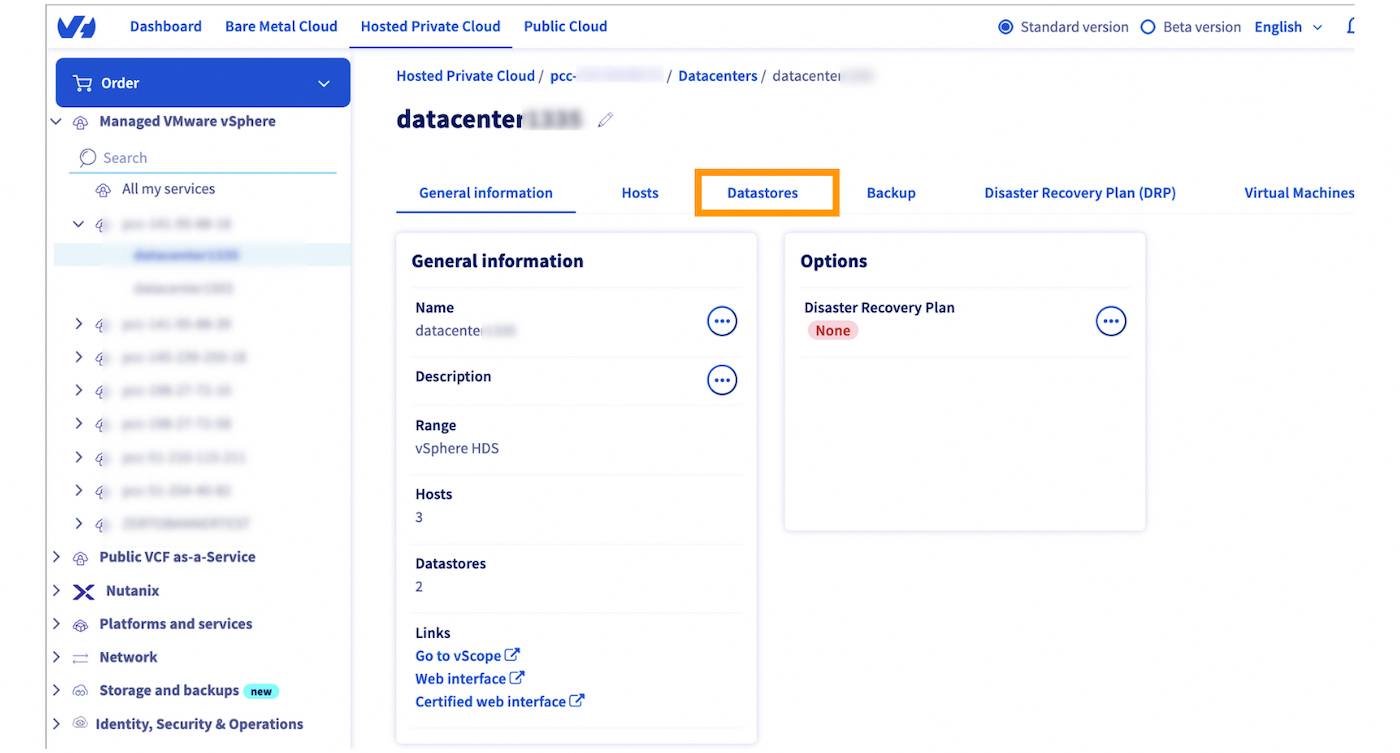
- Datastores with the prefix tete-xxxx are OmniOS datastores.
- Datastores with the prefix cluster-xxxx are FreeBSD datastores.
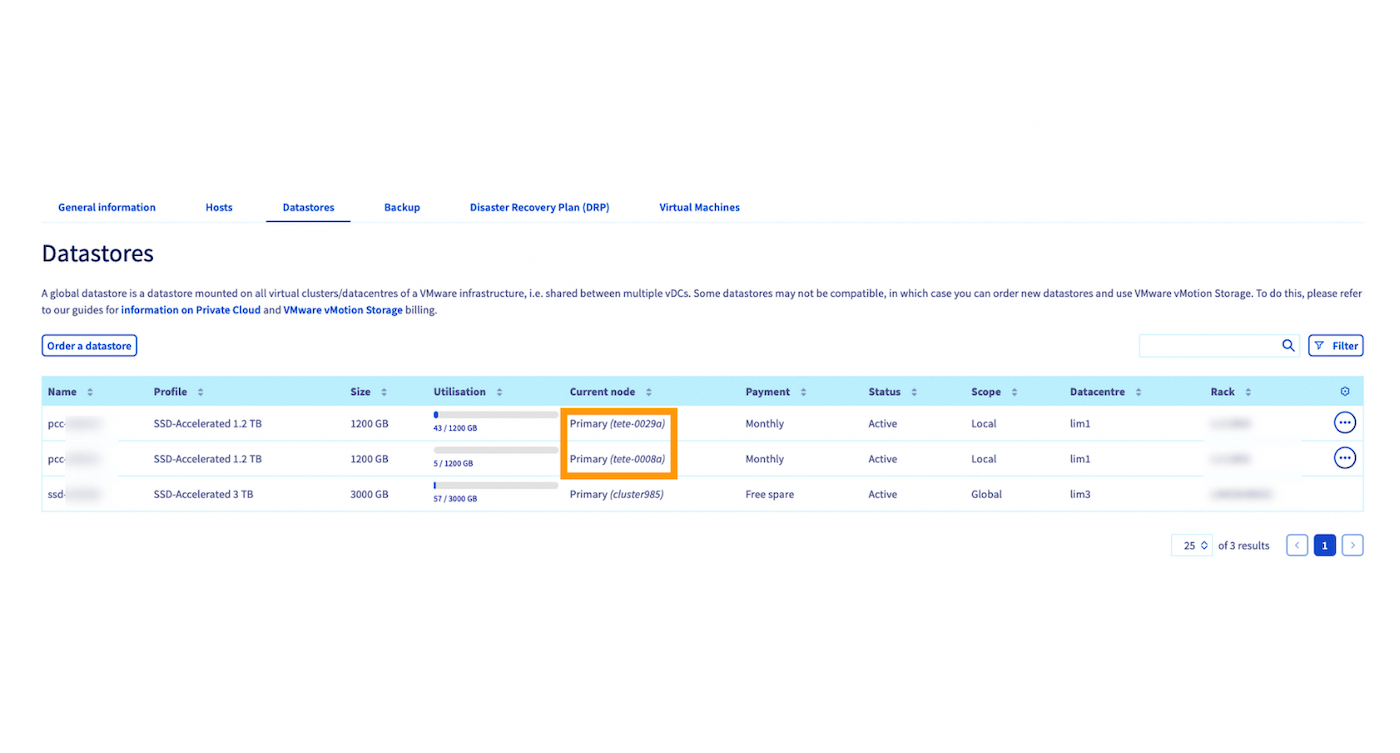
OmniOS datastores must be migrated to supported storage to ensure service continuity.
-
Before starting a vMotion, make sure that you have a supported datastore available in your infrastructure.
- If you need to add a datastore, refer to the Add a datastore guide.
- If you need to remove an unused datastore, refer to the Delete a datastore guide.
In some cases, OVHcloud may already have provided you with a supported datastore. Check your configuration before moving on to the next step.
Step 2 - Access vSphere through vScope
-
From the PCC
General informationtab, scroll down to Management interfaces. -
Click on
vScope.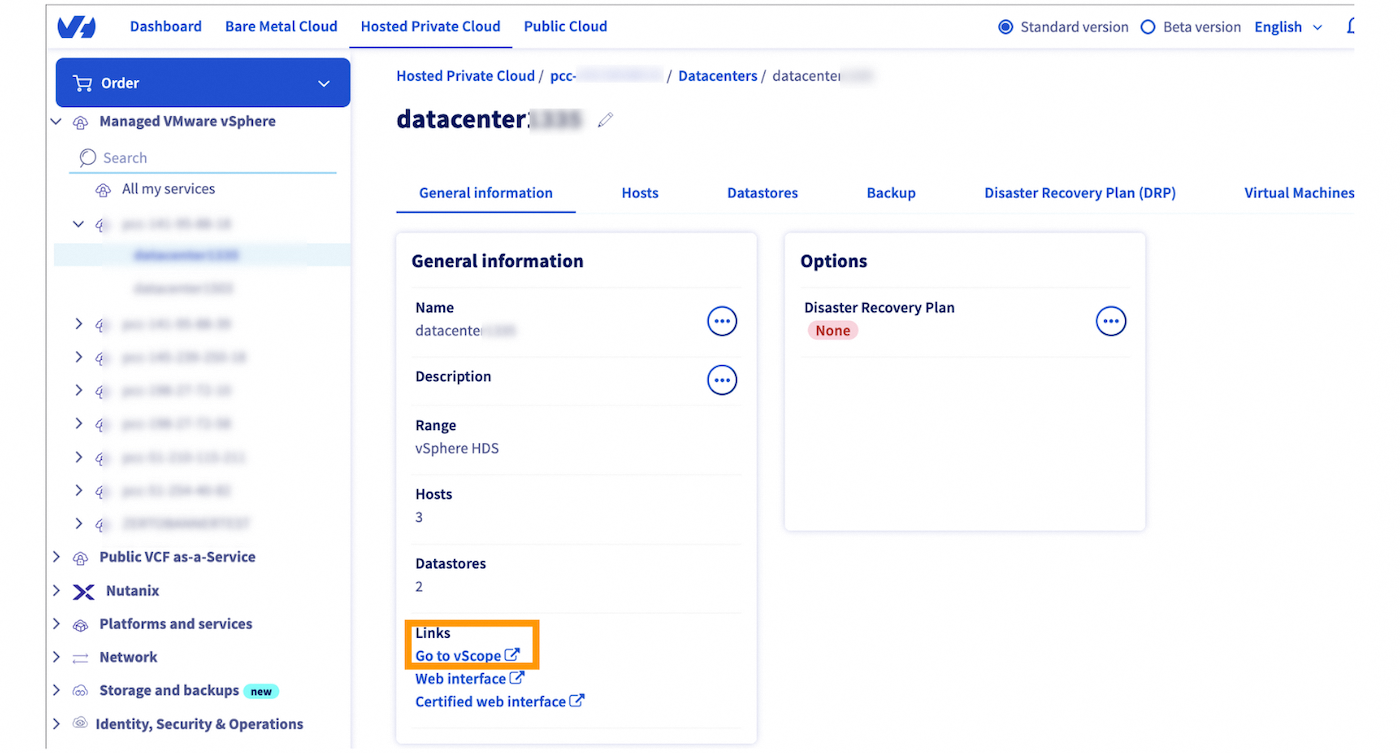
You are now connected to the vSphere interface and can perform a Storage vMotion.
Step 3 - Migrate a virtual machine with Storage vMotion
Performing a Storage vMotion may cause temporary performance disruptions.
For best results:
- Reduce I/O activity during migration (stop intensive workloads if possible).
- Plan the migration during off-peak or non-working hours.
- Always ensure you have at least two supported datastores in your infrastructure for resiliency.
-
In vSphere, right-click the virtual machine to migrate and select
Migrate....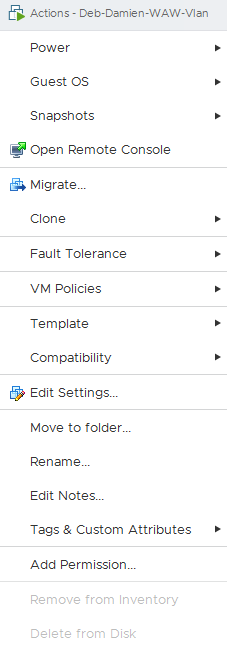
-
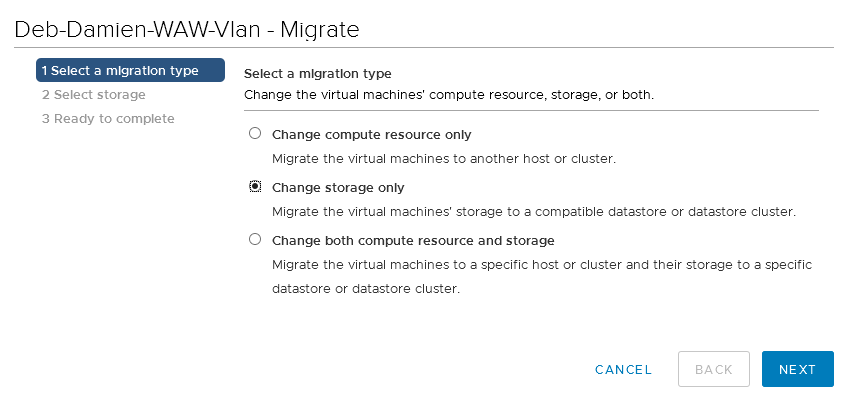
Choose Change storage only.
-
Select a supported datastore as the destination.
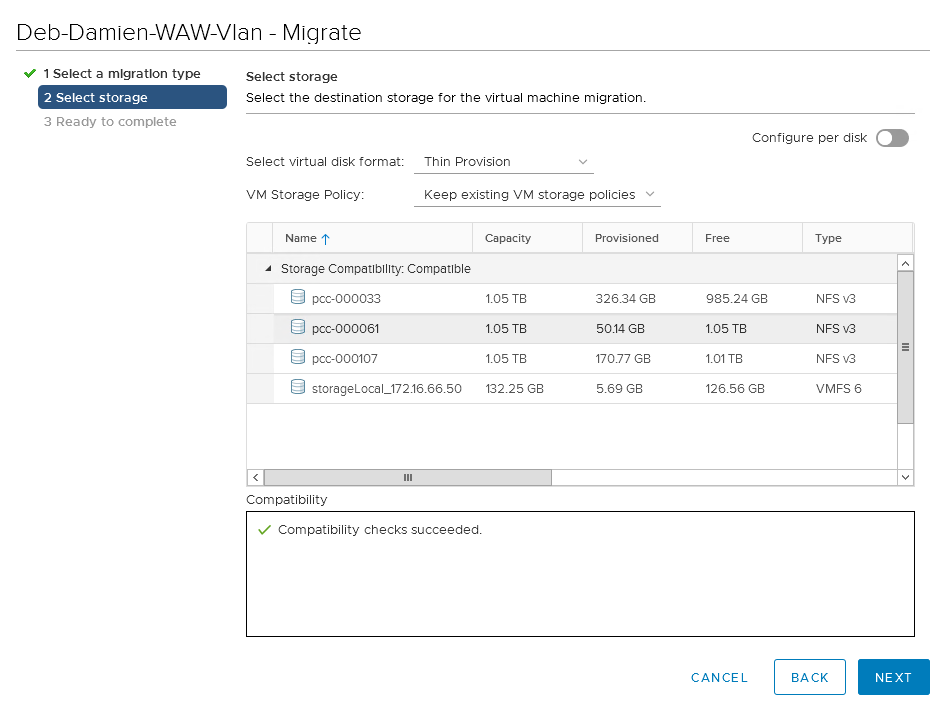
You can also use the
Advancedoption to migrate only one disk if the VM has multiple disks.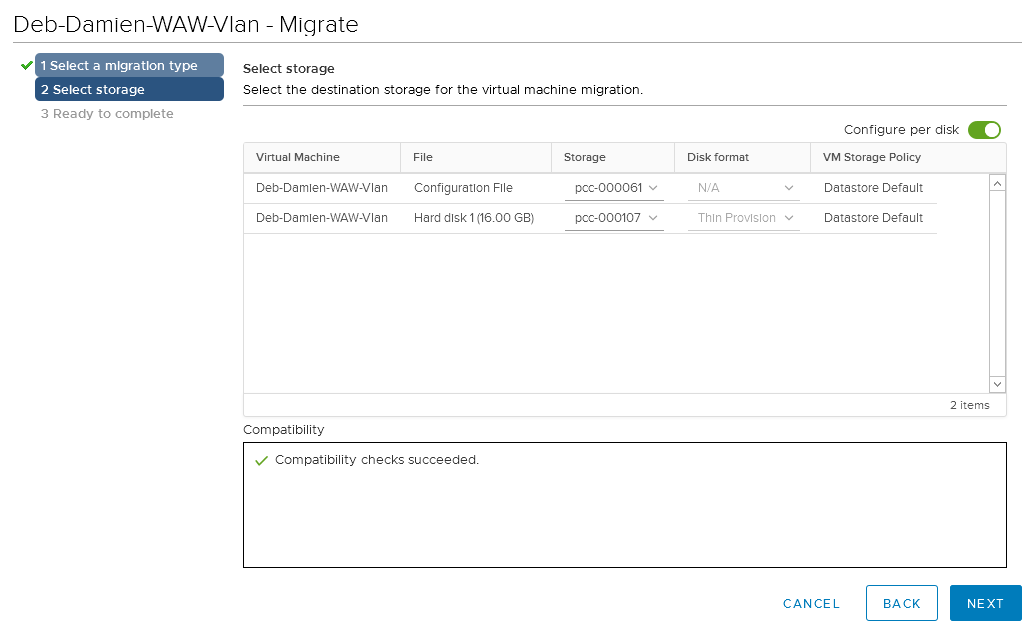
-
Click
Finishto start the migration.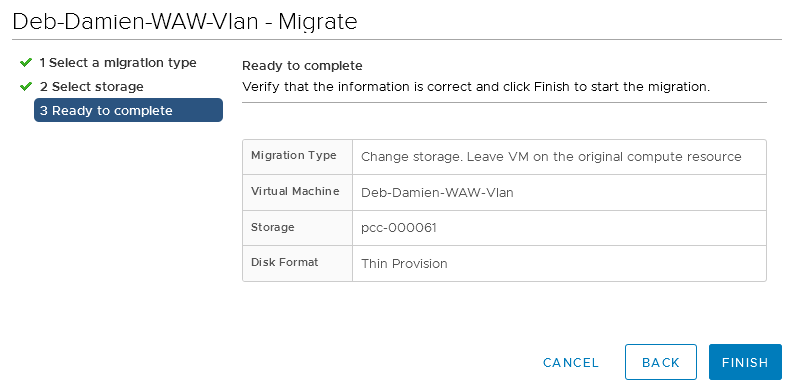
-
Monitor the migration progress in the Recent Tasks panel. Duration depends on VM size, IO activity, and available bandwidth.

After migration, consolidate your workloads on supported datastores. Always keep at least two active datastores in your infrastructure to ensure service availability and redundancy.
Step 4 - Migrate VM templates
-
In vSphere, go to
VM template in foldersto display the templates stored on your datastore.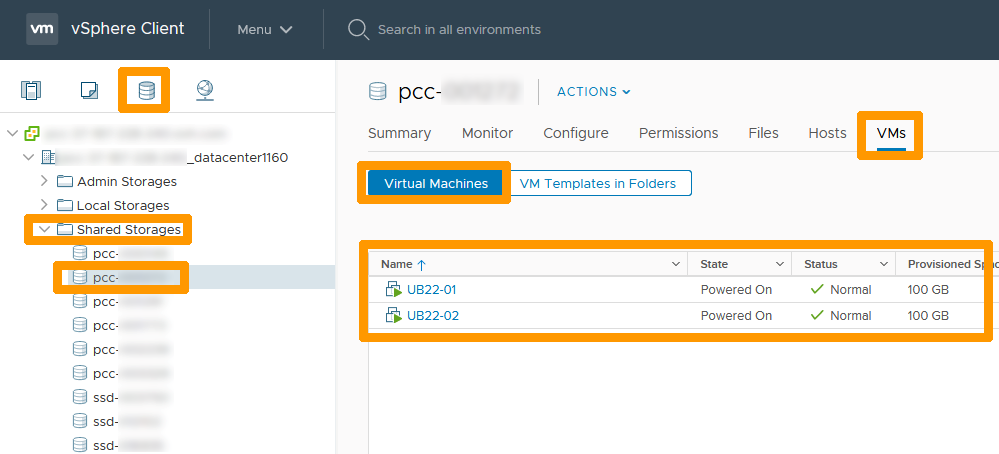
-
Right-click each template and select
Remove from Inventory.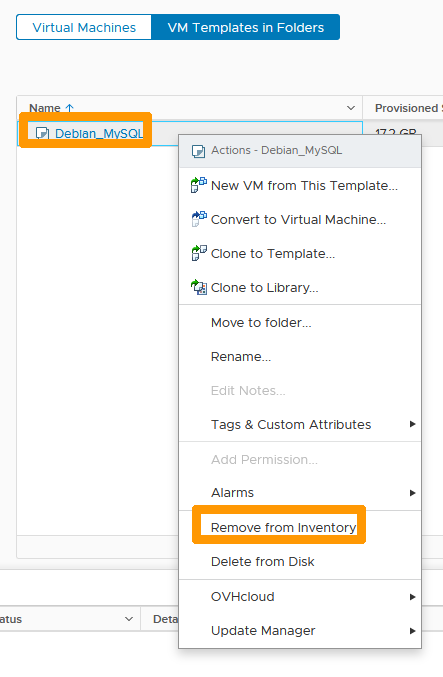
The template is removed from the inventory but remains stored in the datastore. You can retrieve it and move it to another datastore, or delete it if no longer needed.
-
Go to the
Filestab, select the template folder, and clickMove to.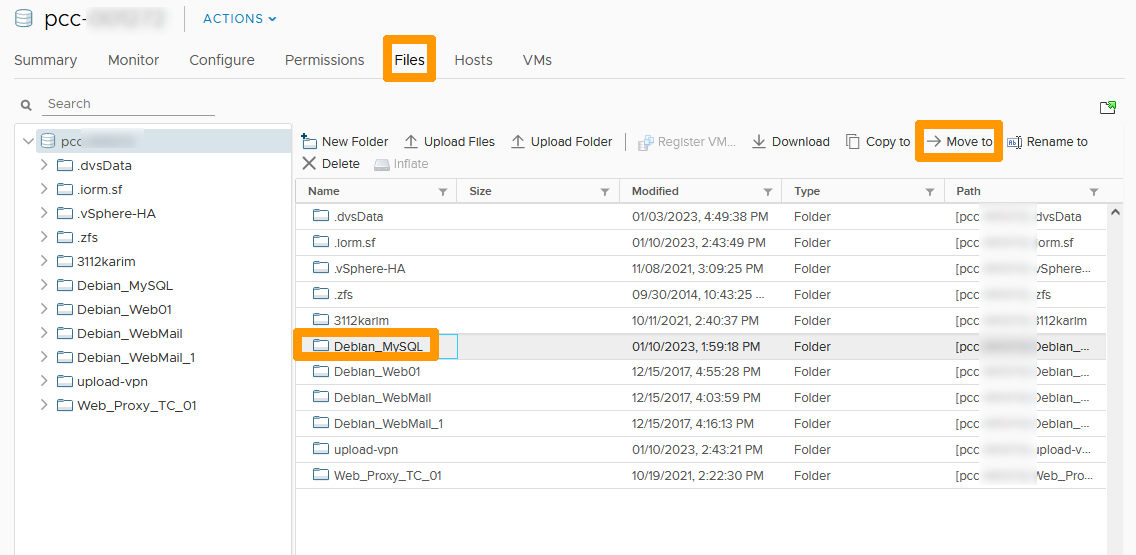
-
Choose the destination datastore and confirm with
OK.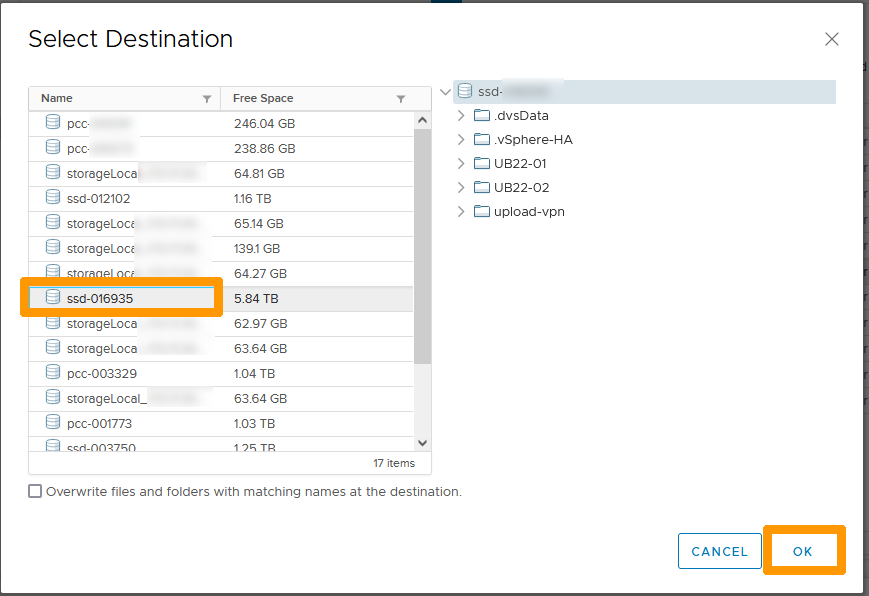
-
Once the files are moved, go to the new datastore, select the template file, and click
Register VM.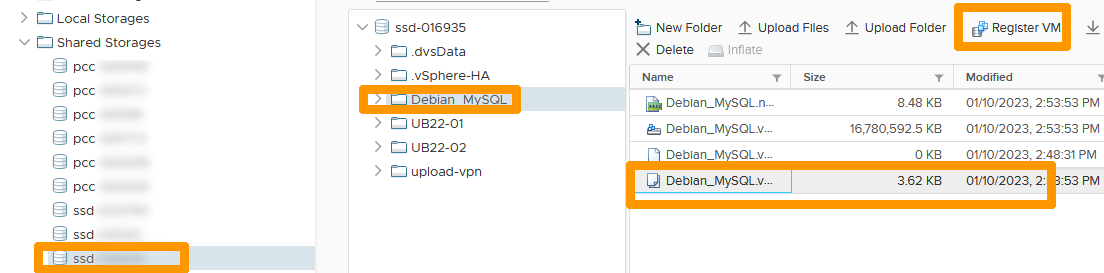
-
Follow the wizard: click
Next→Next→Finish.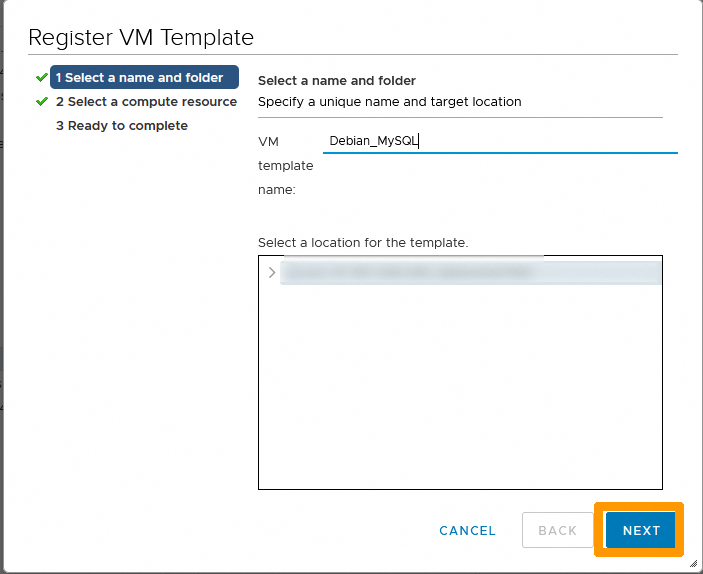
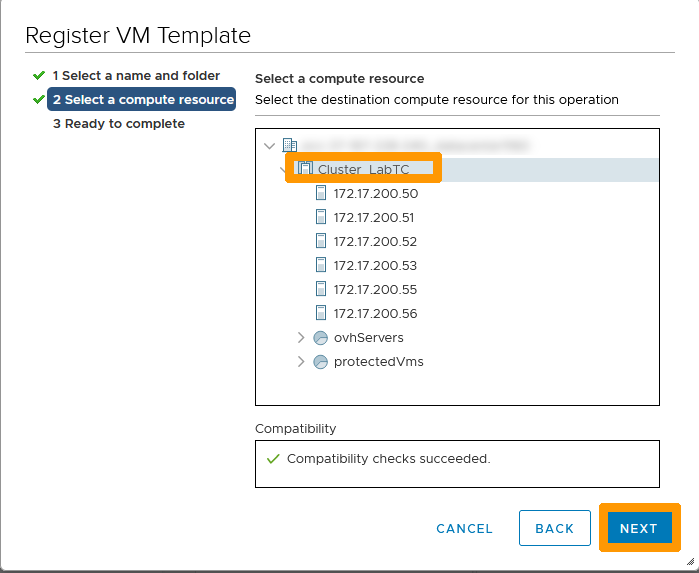
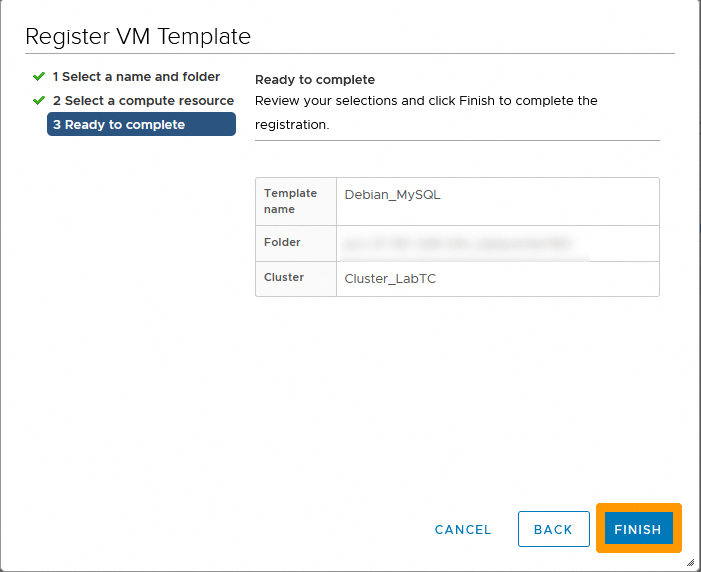
-
The template will appear in the
VM & templatesview.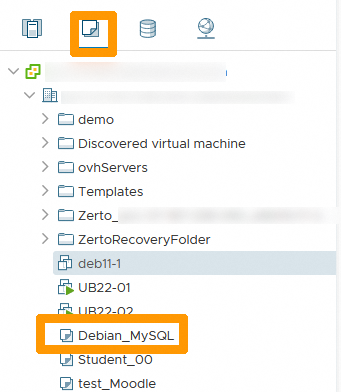
Migration timeline
The migration schedule is as follows:
- September 2025: Official communication sent to all customers.
- October to November 2025: Period during which the customer can perform the migration autonomously.
- November to December 2025: 40-day window for OVHcloud-led migration. A notification email is sent 3 to 4 days before the maintenance operation.
- January 2026: Start of billing for the new datastore.
- February 2026: Closure of the migration process.
Go further
If you need training or technical assistance to implement our solutions, contact your sales representative or click on this link to get a quote and ask our Professional Services experts for a custom analysis of your project.
Ask questions, give your feedback and interact directly with the team building our Hosted Private Cloud services on the dedicated Discord channel.
Join our community of users.


 Move2Cloud - Migrating VMware Workloads to OVHcloud Hosted Private Cloud with Veeam Replication
 243
243